
















Fire safety is something South Brunswick High School (SBHS) takes very seriously—and for good reason. Fires in schools, while relatively infrequent, can have devastating consequences. That is why fire safety regulations set by the Occupational Safety and Health Administration (OSHA), are so strict. Schools are required to provide, mount, and maintain accessible fire extinguishers within 75 feet of classrooms, and even closer for specialized environments like science labs and kitchens.
Beyond equipment, OSHA also mandates training. Schools must provide fire extinguisher training to staff upon hiring and at least once annually. This includes general usage knowledge and, for designated personnel, hands-on practice. At SBHS, these standards are actively implemented. Nearly every other classroom contains a fire extinguisher, and staff are consistently trained in their use.
Each year, school fires across the United States result in approximately one civilian fatality, 39 injuries, and around $37 million in property damage. While those numbers may seem small compared to other risks, they reflect incidents that could have been far worse without proper prevention and response measures. The strong adherence to OSHA guidelines at SBHS plays a key role in minimizing potential harm and ensuring a safe learning environment.
However, while fire safety protocols are well-established and effective, an even more pressing safety issue has emerged—one for which schools are far less prepared: school shootings.
The impact of school shootings is immense and deeply concerning. The K-12 School Shooting Database recorded 233 incidents in 2025 alone. Across these incidents, there were 148 victims, including 127 injuries and 21 fatalities.
Despite the seriousness of this issue, preparedness for school shootings remains an unmet need. One of the most critical aspects of preparedness for these situations is the availability of an immediate medical response. The most common preventable cause of death in trauma situations, including shootings, is uncontrolled bleeding. In these cases, minutes truly matter. Victims can bleed out in just a few minutes, typically before emergency responders are able to reach them—especially during a lockdown, when access to the building is restricted.
Currently, many schools rely on centralized medical supplies, such as those in a nurse’s office. However, during an active shooter situation, students and staff are confined to classrooms, making centralized resources difficult or impossible to access. Assuming that only school nurses need training in emergency bleeding control is short-sighted. In reality, the individuals closest to the victim—teachers and classmates—are the ones most likely to make a life-saving difference.
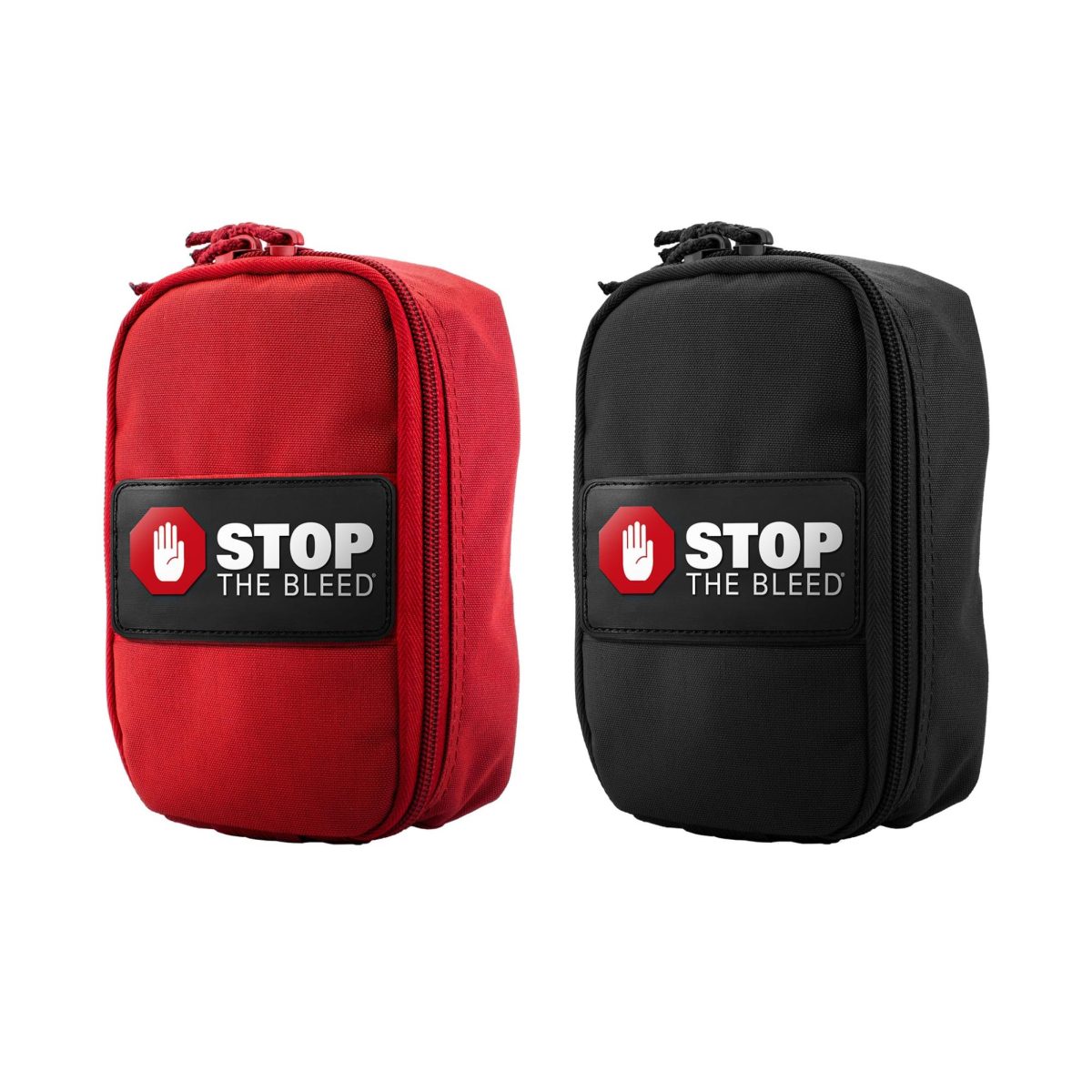
To address this gap, schools should adopt a more decentralized and proactive approach to the location of emergency medical preparedness supplies. Specifically, Stop the Bleed kits should be made accessible in classrooms, just as fire extinguishers are. If a life is to be saved during a lockdown, it will likely happen in that classroom, in those critical first minutes.
In addition, all staff—especially teachers—should be trained in Stop the Bleed techniques. This does not require extensive time or resources. In fact, effective training can be completed in as little as one hour, and a “train-the-trainer” model can make widespread implementation both efficient and cost-effective.
The financial investment is also reasonable. Equipping a school like SBHS with sufficient Stop the Bleed kits will cost approximately $10,000. When weighed against the potential to save even a single life, this is clearly a worthwhile investment.
Fire safety protocols demonstrate what is possible when schools take a proactive, structured approach to risk from fires. Given that the risk of injury and death from school shootings is much, much higher than the risk from fires, it is clear that the level of commitment to address Stop the Bleed is a necessary safety precaution. By equipping classrooms with life-saving Stop the Bleed kits, and ensuring staff are properly trained, schools can significantly improve their ability to respond to these kinds of emergencies. Preparedness for school shootings should not begin after a tragedy strikes—it must be built in advance, just as it has been with fire safety.