














Imagine you’re 6,700 miles away from your friends and family, living in a cozy, repurposed train car for an apartment. All you have is a locker, a cot, a kitchenette, and a military uniform to your name. You follow a rigorous, minute-by-minute schedule that helps foster discipline and a sense of purpose. This is what life was like for SBHS’s very own Physical Education teacher, Mr. Ostrowski.
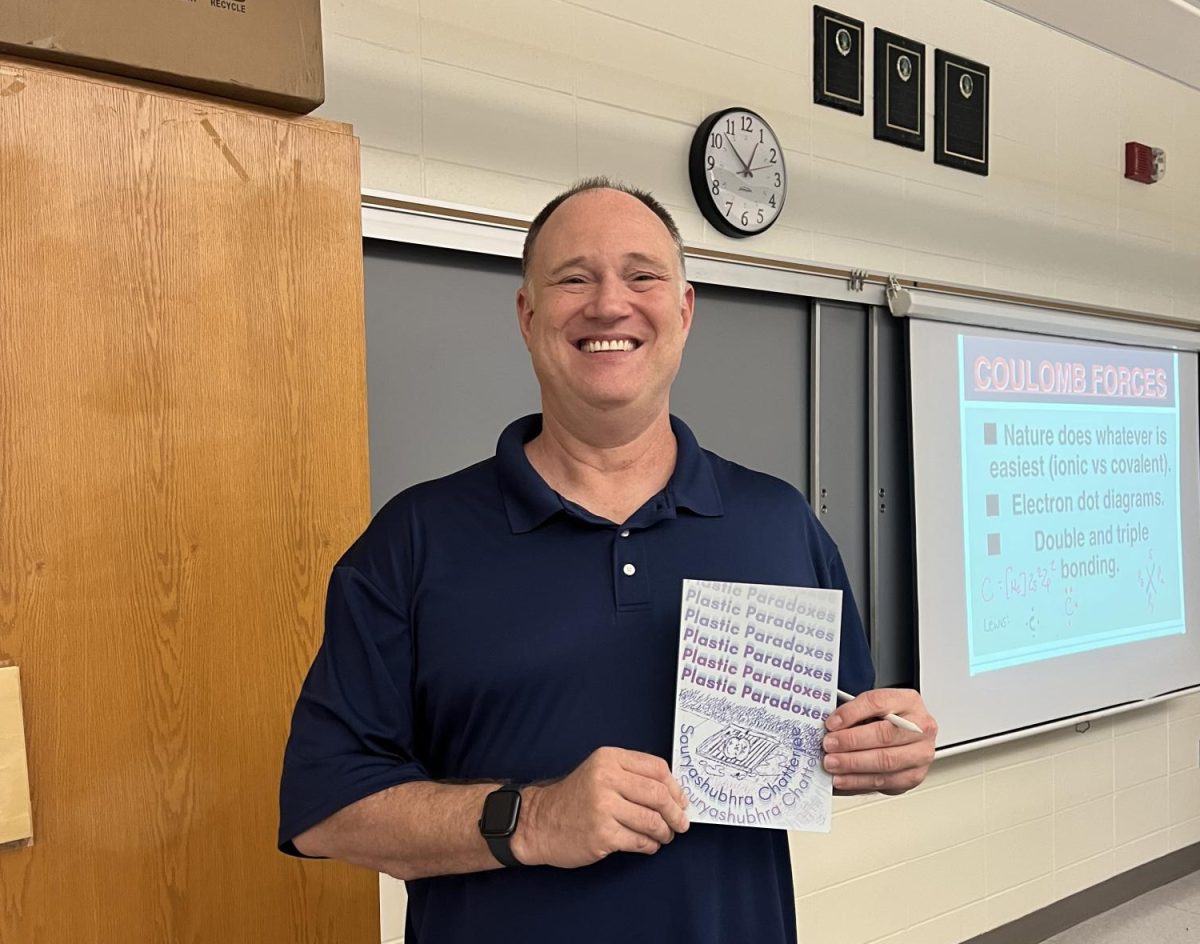
After a nine-month deployment with the New Jersey National Guard, Mr. Ostrowski returned to SBHS with a joyful reunion at the school’s annual pep rally. In his military uniform, he ran out to his best friend, Mrs. Verderami, surprising teachers and students alike.
Mr. Ostrowski’s journey in the National Guard started early as a senior in high school. Initially, Ostrowski joined for college perks and attended the Sergeant Major’s Academy for training. Over the years, his love for the National Guard only grew, causing him to reenlist four times since. Now, he has served for more than eleven years in the National Guard, and eventually moved to the Army Reserves, where he just arrived from.
His journey began in Kuwait, and then he was eventually reassigned to Israel indefinitely. Mr. Ostrowski noted that “Israel was much more different than Kuwait; no downtime, 7 days a week.” Ever since this change took place, he has retained his responsibilities and has worked hard for our country.
Contrary to popular belief, Mr. Ostrowski’s job does not involve fighting on the front line, but supporting the soldiers from behind. But first, let’s learn some background about the military’s inner workings. The Tactical Branch comprises all frontline officers fighting for our country. The Operational Branch acts as the “gap in between” of both office and frontline soldiers. Mr. Ostrowski belongs to the Strategic Branch. This contains the high-ranking commanders who plan operations and how soldiers move through missions. He currently holds the position of a sergeant major and will soon become a command sergeant major. While both positions pay the same, the latter job carries more responsibility.
During his deployment, his days followed a strict routine of waking up early, getting breakfast, and spending long hours doing high-level office planning. He also focused heavily on personal fitness, even though there were no days off. He emphasized that military life is entirely dependent on rank and responsibility, saying, “Your role in the military dictates your schedule in the military at all times.” Most of his work involved office-side leadership and planning responsibilities rather than frontline operations.
For Mr. Ostrowski, the connection between teaching and military leadership is stronger than many might expect. Having served in the military for 29 years, he says the values of loyalty, duty, respect, selfless service, honor, integrity, and personal courage have been ingrained in him throughout his career. These are the core ideals of the U.S. National Guard, remembered by each member.
“I almost see my roles as very similar,” he explained. He does both, leading 1,200 service members overseas and guiding students in the classroom. “I need to make sure that the 1200 people below me are in shape, which is basically what teaching is,” he said. Despite the challenges of balancing both careers, he views it as “just a balancing act.” He finds it hard to part with his profession as an educator, stating, “especially Phys. Ed., I love it so much. I’m very passionate about it.”
Because he was deployed during a period marked by the Iran conflict, there was a “constant level of anxiety.” However, Mr. Ostrowski found his experience deeply rewarding. He gained a great amount of exposure to high-level planning and had the opportunity to meet people whose lives had been shaped by major events in the Middle East. He believes that “it was eye-opening talking to people who survived all these events.”
Above all, the relationships he built stood out as the most meaningful part of his deployment. “I got to work with a lot of amazing people. By far, the connections I’ve made with the people were the most valuable.” While he appreciated the experience, he missed his family and the daily interactions with students at SBHS. “I truly miss just being here and being in the hallways,” he said. Even just a small action like that brought back loads of nostalgia and good memories for him. Adjusting back to the normal routine of life proved difficult, but reuniting with his wife and children made it worth it. He surprised his family at a school event, making the transition even more memorable and emotional.