
















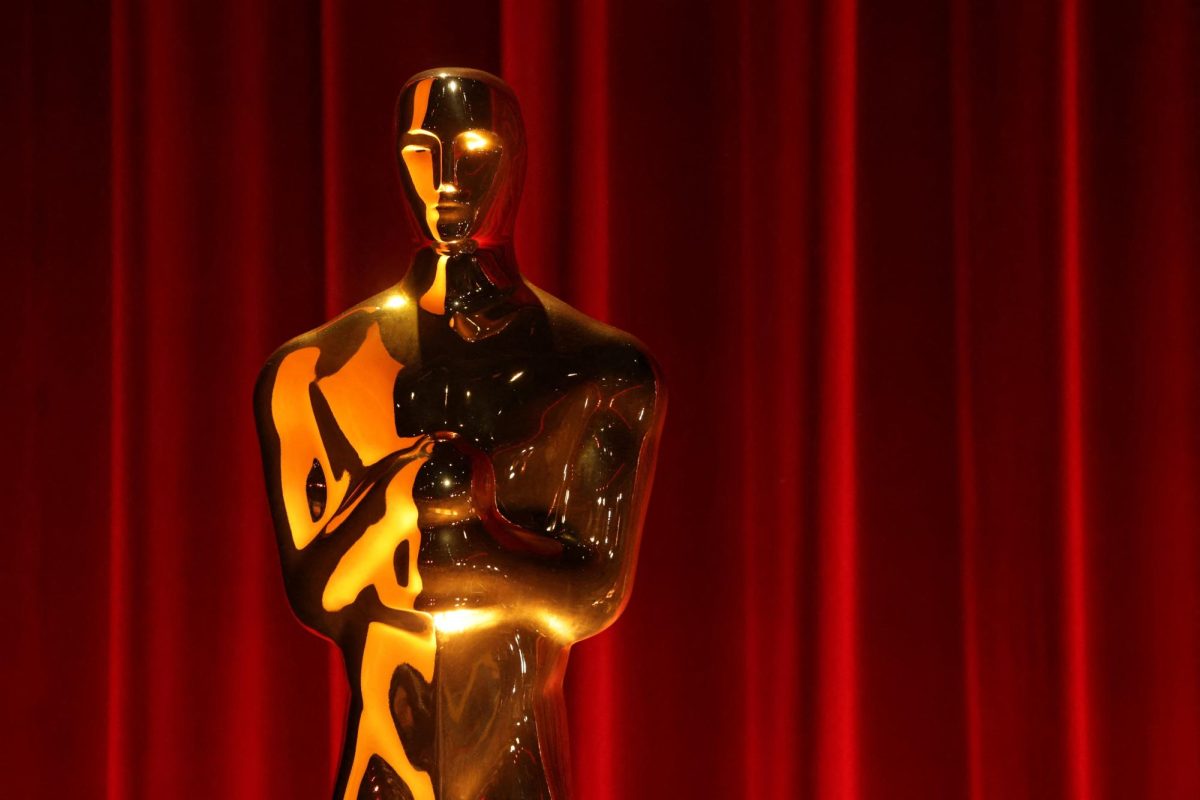
With the 98th Academy Awards just a week away, it comes time for all cinephiles to look into this year’s Oscar nominees and make their predictions. 2025 was definitely a great year for movies, as reflected in this years’ lineup of nominees for the Best Picture award, where all eyes are on both Ryan Coogler’s Sinners and Paul Thomas Anderson’s One Battle After Another.
Sinners, starring Michael B. Jordan and Hailee Steinfeld, received 16 nominations for this years’ Oscars ceremony alone, breaking previous records held by films like Titanic (1997) and La La Land (2016). I chose to wait until the end of the year to see the film despite its April release date, mainly since it was so well-received and I feared that I might simply jump on the bandwagon rather than form my own opinions on the film. This was not an informed decision for a number of reasons: the first being that I did end up loving Sinners regardless, and the other being that the hype for the film never died down.
Sinners tries to be a lot of things: a period piece, a horror, a film about racial tensions, a film about brotherly love, and—in a sense—a musical. Despite having to juggle so many themes, Sinners flawlessly executes exactly what it means to say without serving these themes directly to its audience’s face. I was surprised to see so many of my friends dislike the scene involving Miles Caton’s character playing music that transcends all barriers of time, considering it adds an entirely new theme to the film that fits so perfectly into the rest. Naturally, Sinners is a main focus of several categories this Oscars season, including Best Actor, Supporting Actor and Actress, Original Screenplay, Original Score, Cinematography, Costume Design, Visual Effects, Production Design, Makeup and Hairstyling, Sound, and Best Original Song.
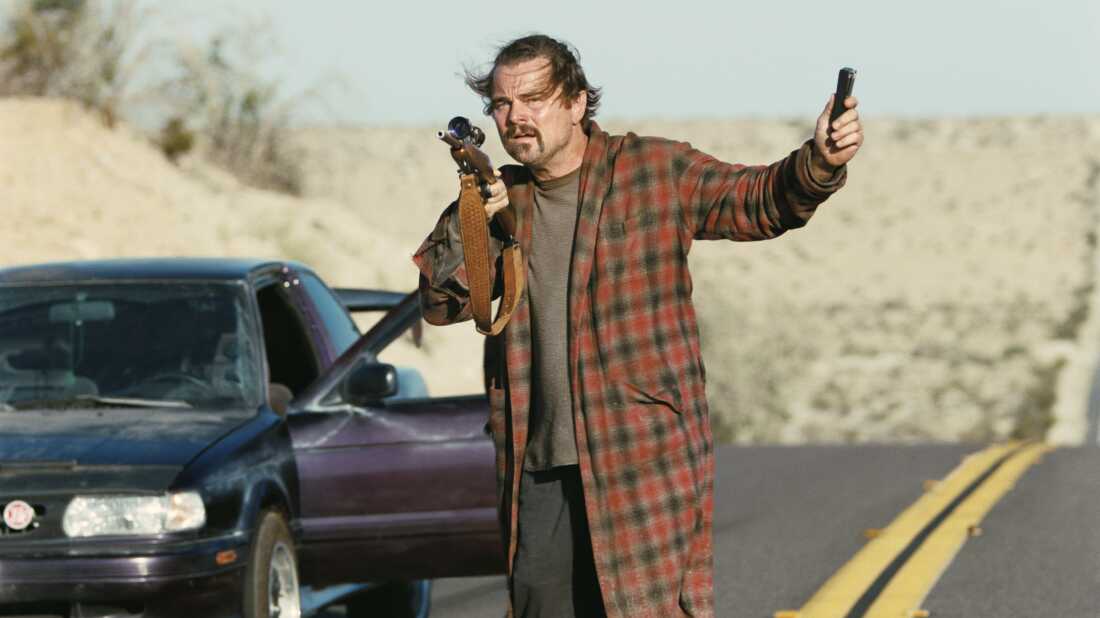
One Battle After Another, on the other hand, was a film I got the chance to see in theaters. As a result, I understood what made people love it so much. Not only was One Battle After Another a great drama that feels tense and full of high stakes, but it also leaned into its comedy more often than most audiences expected. Many considered the film to be extremely politically relevant, considering it follows Leonardo DiCaprio as an ex-revolutionary having to save his daughter from an old enemy. I do think the comedy works in the film’s favor in a number of ways, mainly because it satirizes the cartoonishly-evil tendencies of the film’s villains as a reflection of today’s political landscape.
From a technical standpoint, One Battle After Another is definitely a film I would have regretted missing in theaters. The film was shot in VistaVision, which was used most often in the 50s. VistaVision produces an extremely sharp picture that works best in a widescreen format, and this film’s competence greatly helped justify its usage. Apart from Best Picture, One Battle After Another is nominated for Best Actor, Supporting Actor and Actress, Director, Original Score, Adapted Screenplay, Cinematography, Editing, Production Design, and Sound.
While both films are extremely deserving of their nominations and are more than worthy of receiving the honor of Best Picture, it is interesting to observe the nominees that many haven’t considered as contenders for the award. For example, Chloé Zhao’s Hamnet is considered by many to be a close third in the overall race due to its raw emotional value as well as its care and consideration into every choice it makes. Clint Bentley’s Train Dreams, an extremely moving story with what is probably the best cinematography in a film this year, is also just as deserving of a spot in the list of nominees. Yorgos Lanthimos’ Bugonia, my personal favorite film of the year, makes just as valuable a statement with a highly comedic premise and a very tense tone.
While I’d consider all the films in this years’ Best Picture lineup overall good movies, it should be recognized why some of these films may not be regarded as highly as One Battle After Another or Sinners. For example, Guillermo Del Toro’s Frankenstein is nominated for several awards as well, likely because of its world-building and the way it spins a classic tale, but lacks subtlety in its already-obvious themes that it pushes. Josh Safdie’s Marty Supreme was a classic-Safdie movie, with its main character making awful decisions in pursuit of a goal or a high, making for an exceedingly tense and escalating situation with its star-studded cast. Despite being so entertaining, it was evident that it followed the formula of past Safdie brothers movies like Uncut Gems (2019). Joseph Kosinski’s F1 surprised cinephiles with its nomination for Best Picture, considering it was not nearly as highly regarded as its fellow nominees, but the general conclusion is that its technical achievements—especially in the world of sound—earned F1 its place in the Best Picture category.
The race for this year’s Academy Awards is close in several categories, and March 15th will definitely serve as my and many other cinephiles’ Super Bowl. Although the Oscars ceremony and awards season can be riddled with industry politics and fan controversy, we can always take a step back to think—“at least no one’s getting slapped this year.”
(I apologize in advance for not having seen Sentimental Value or The Secret Agent yet)