






















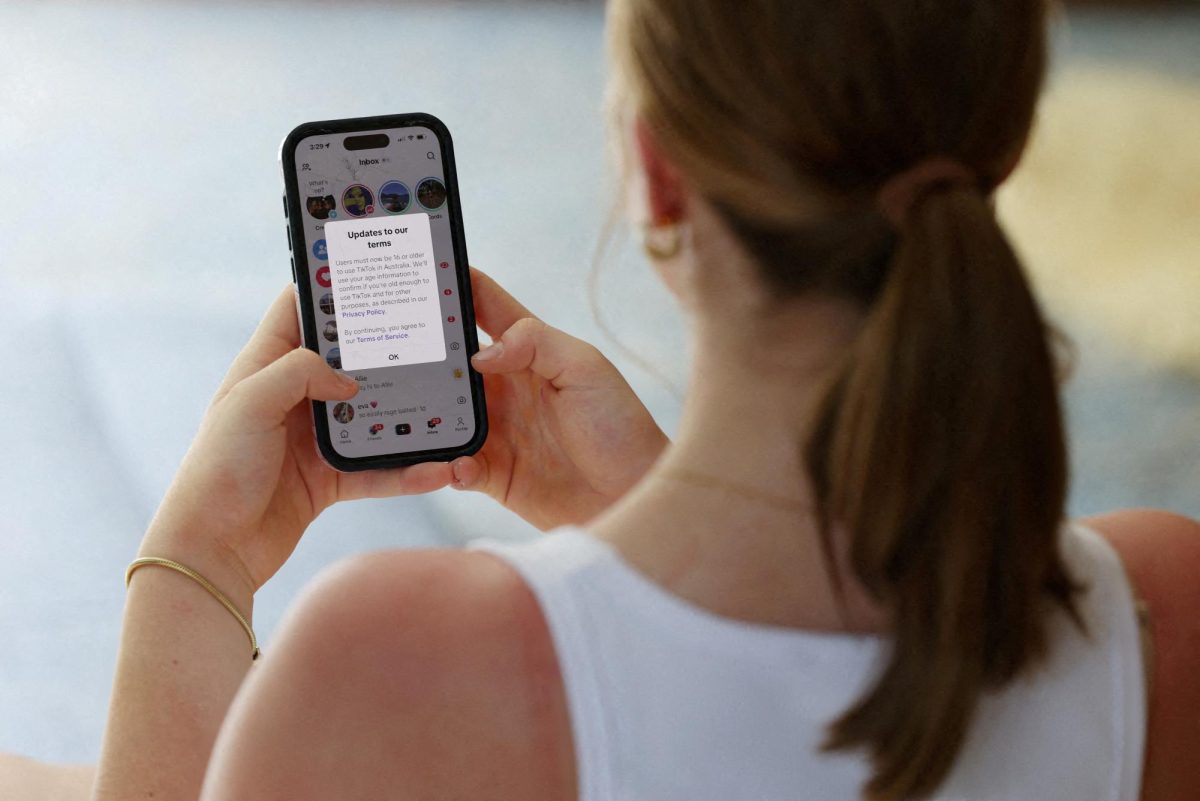
Americans spend an average of roughly 5.3 hours on their phone every single day, with Gen Z spending the most time scrolling. Phones are an essential part of modern life, offering communication, entertainment, and information, but over the past few years, their usage has skyrocketed, driven by social media apps such as Instagram, TikTok, and YouTube. As a result, they’ve shaped the way people think, act, and even feel.
The main reason phones are so addictive is that apps are designed to keep users engaged. Notifications constantly drive people back to using their phones, which in turn makes people spend more time on them. Apps, like TikTok, also provide endless scrolling from algorithms that personalize content for users. When there’s more recommended content for people’s feeds, that usually keeps them on the app longer, increasing their hours as they feel pleasure of engagement. Consequently, these apps change humans mentally, socially, and physically.
Let me ask you this: What do you do when you get home from school? Do you start your schoolwork, or go on your phone for the next couple of hours? Phones act as a distraction from other responsibilities, usually because of a chemical in our brains called dopamine. Dopamine is what allows you to feel pleasure, and when you scroll endlessly, it releases multiple hits at once, making you want to scroll more for this rewarding feeling. Your behavior also changes when you’re constantly on your phone. For example, when someone tries to have a conversation, you’re staring at some reels instead of listening. This is known as “Phubbing,” the act of ignoring someone by going on your phone. Phones affect your mind in numerous ways beyond social interactions: they can lead to compulsive habits, such as waking up and immediately checking your phone, and they can decrease your attention span. Over time, these habits and behaviors cause physical problems.
Sleep deprivation is one of the highest occurrences we see today, with 30% of Americans reporting not getting much sleep. One of the biggest causes for this is phones. Right before we go to bed, we might feel the urge to check our phone and end up spending hours on it, eating into our sleep time. This is especially important for children, as it reduces focus during classes, causes crankiness, and makes it harder to respond in certain situations.
You may ask, how do I take back control? Despite the strong urges, there are ways to get past them. One of them is setting a screen time limit. I know this is the most obvious answer, and it might not mean much, but it at least makes a small difference in how you perform throughout the day. Also, if you want to have a screen time limit, you should ask your parents or a sibling to set a password so you don’t just press ignore every time you get the message. Another tip is to have scheduled activities. These can be anything, ranging from sports to hobbies, and they can be pretty impactful because they increase productivity and get the body functioning. Those are just two of the many strategies you can find around the internet, but by applying yourself outside your phone, you slowly become your own person.
Imagine a world where people are happy, free, and living life to the fullest. That could be possible here, but it starts with regaining control of our habits and using our phones intentionally. If we stay consistent, this will be a better and more balanced life for all of us.