















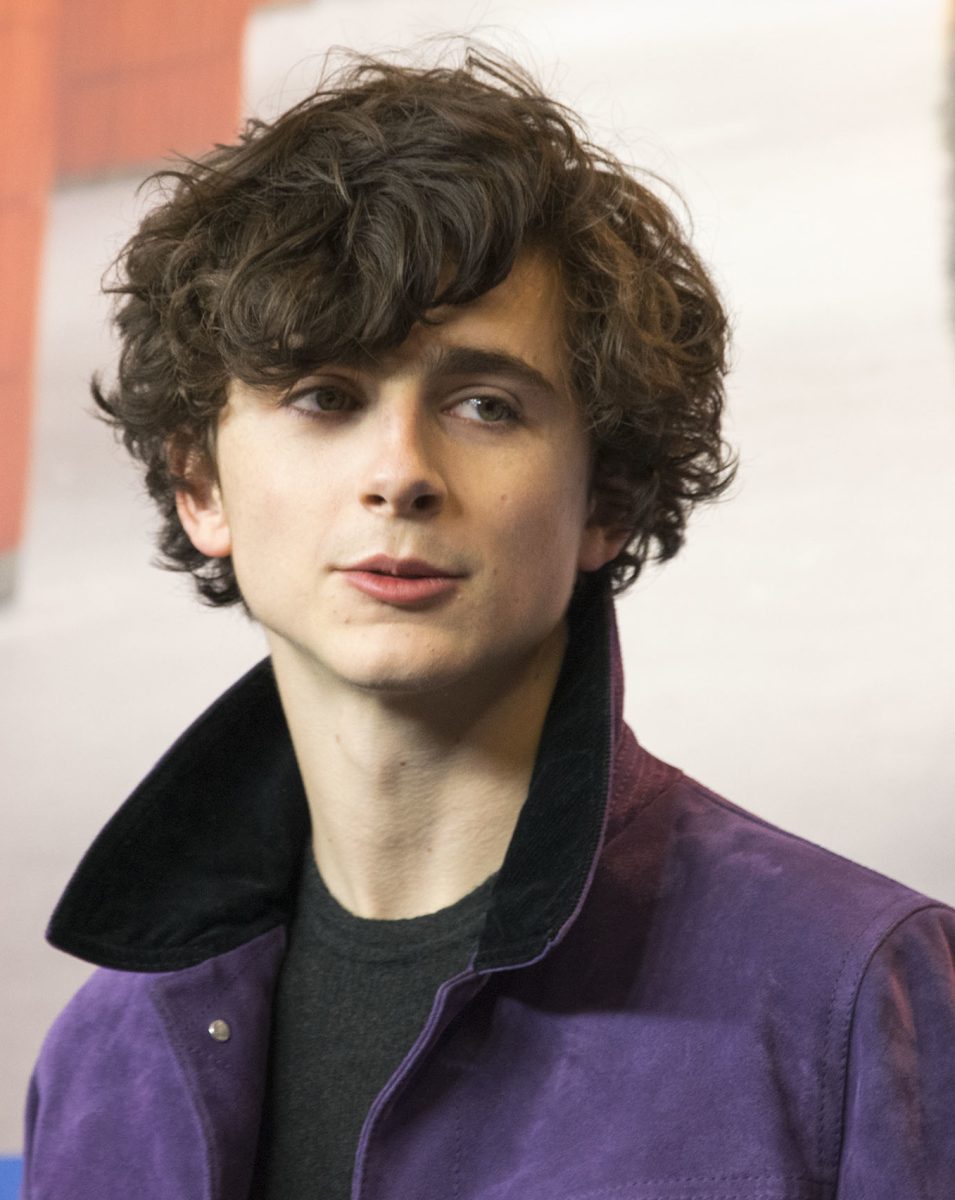
Last week, Timothée Chalamet sat courtside at the Knicks-Spurs Finals dressed head-to-toe in Chrome Hearts. Seven years ago, he was Hollywood’s elusive indie darling, the face of coming-of-age films, and a muse for directors like Sofia Coppola and Luca Guadagnino.
Like many modern celebrities, Chalamet has recently found himself under intense public scrutiny. Some accuse him of abandoning the artistic, reserved image that first made him famous. Others insist that image was manufactured from the start.
But in my opinion, this isn’t really a debate about authenticity at all.
The more interesting question is this: How much are we supposed to know about celebrities?
For most of modern history, movie stars existed at a distance. Audiences knew them through films, magazine covers, and the occasional interview. Today, we know where celebrities vacation, who they date, what they wear to basketball games, and what they order for lunch. In an era of constant access, mystery has become increasingly rare.
The criticism surrounding Chalamet reveals a strange contradiction. Audiences demand authenticity from celebrities while simultaneously demanding unlimited access to their lives. Yet the more access we receive, the less satisfied we seem to become.
For years, Chalamet occupied a unique place in popular culture. He was not simply an actor; he represented a particular fantasy. Through films, red carpets, and carefully selected interviews, audiences came to associate him with artistry, sensitivity, and intellectualism. He felt more like a character than a celebrity. The distance between the public and the person allowed people to project their own ideas onto him.
When Chalamet first emerged as a cultural phenomenon, audiences knew him primarily through his work. Films such as Call Me By Your Name presented him as thoughtful, vulnerable, and emotionally intelligent. Over time, many viewers began treating those qualities as facts rather than performances, and he wasn’t shy about leaning into it. So, the line between actor and character blurred.
The result is a uniquely modern form of disappointment. Audiences encounter a celebrity through art, construct a complete image of who they believe that person to be, and then become frustrated when reality refuses to cooperate. A Knicks fan in designer clothing cannot easily coexist with the quiet, mysterious figure many imagined years ago, even though both versions may have always been true.
Mystery is not simply a lack of information. Mystery is space. It is the gap between what we know and what we imagine. For decades, that space allowed audiences to participate in the construction of celebrities. Fans filled in the blanks themselves.
Social media has largely eliminated those blanks.
Today, the average teenager can access more information about a celebrity in a single afternoon than previous generations could gather in years. We know where famous people vacation, who they date, what sporting events they attend, and what clothes they wear. We have achieved unprecedented access, yet celebrity culture often feels less magical than ever before.
Perhaps this is because fascination was never built on complete knowledge. It was built on curiosity.
It seems to be true that the criticism directed toward Chalamet is not really about Timothée Chalamet at all. Maybe it reflects a broader cultural desire to know everything about everyone. And maybe, in getting exactly what we wanted, we lost something valuable.
After all, the actor sitting courtside at Madison Square Garden may not be radically different from the one audiences admired years ago. The difference is that we now have access to thousands of additional photographs, videos, interviews, and opinions.
We know more than ever before.
The question is whether knowing more has actually helped us understand anything.