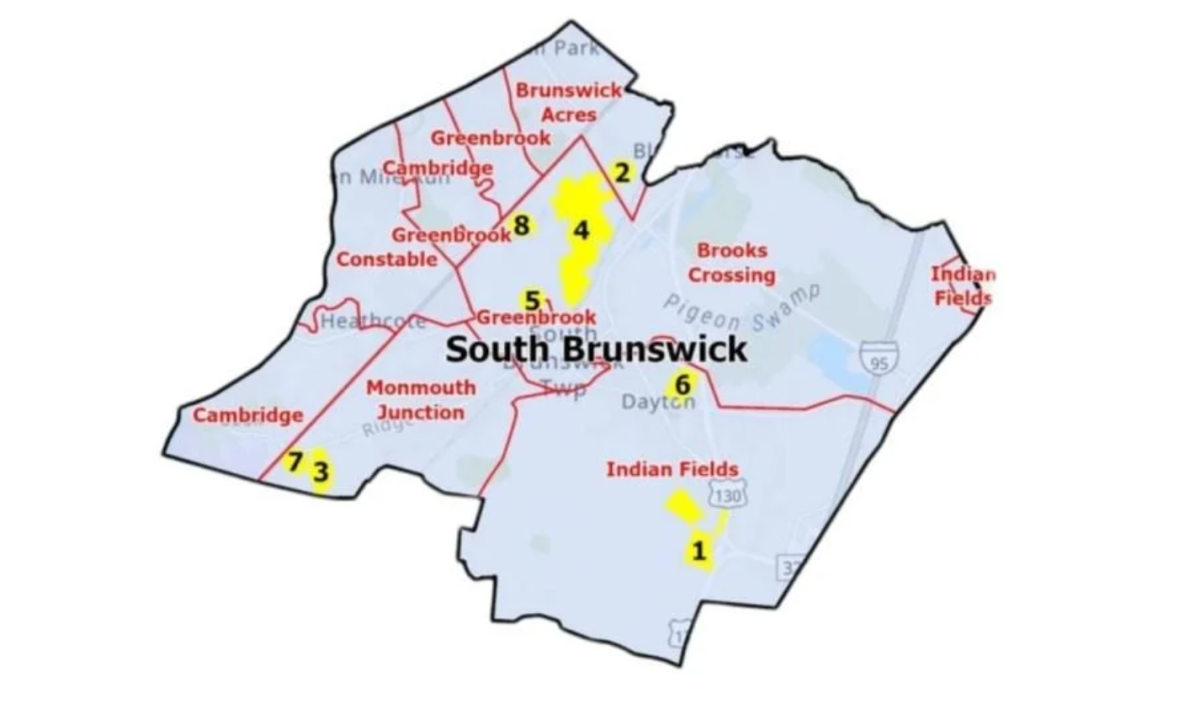














With the final products of the redistricting efforts for South Brunswick School District now released, it’s easy to believe from what we’re shown that the whole effort was a simple redrawing of which streets make up our district’s borders. But in reality, redistricting was a two-year meticulous effort that required a large team to plan, revise, and act.
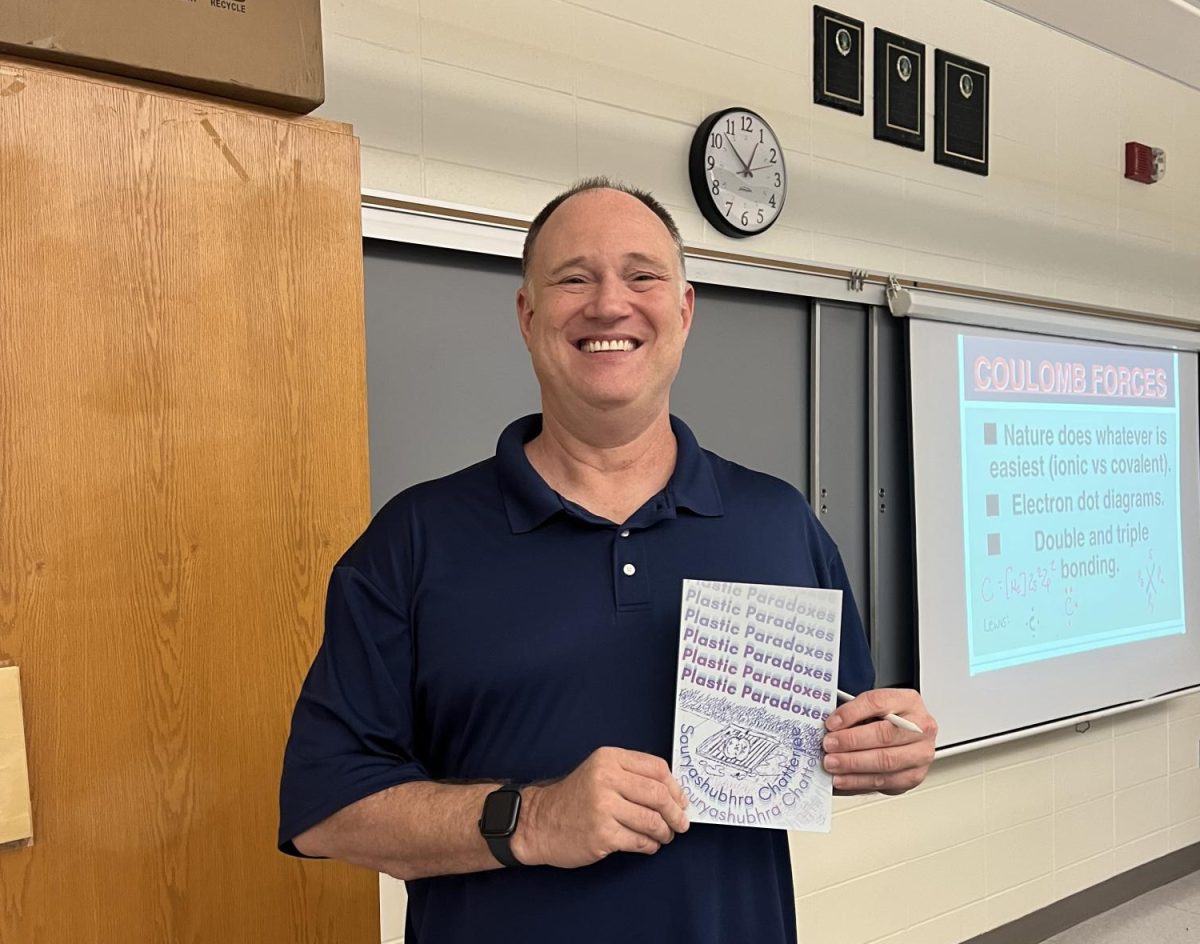
The group leading the process consisted of Mr. Peter Rattien, Mrs. Vildostegui-Cerra (Mrs. V-C), principal of Constable Elementary, and Mr. Robert Sears. The Viking Vibe interviewed Mr. Rattien, SBSD’s Director of Special Projects, about the project to learn how it all happened.
During the process of actually making the map, many challenges were encountered by the team. One of the biggest, according to Mr. Rattien, was the question of when students were going to begin entering the South Brunswick School District (SBSD), as well as when developments would be completed.
“So one of the biggest challenges, if not the biggest challenge, was determining as best we could when students were actually gonna start to come to us, but more importantly, what the general sense of when developments were gonna be completed by, so that we knew when students were coming,” Mr. Rattien said.
Another big question that loomed over the heads of the team was whether or not to redistrict, reconfigure, or do nothing in the first place. While it was eventually decided to redistrict, the choice was not necessarily obvious from the beginning. After all, with the limited amount of information available at the time, it was certainly difficult to figure out which course of action was to be undertaken. In the end, the choice was made after looking at what nearby school districts had done in response to similar issues.
“We visited, I believe it was four districts, and we saw some that were a little bit different than us, and some had done models like this. West Windsor-Plainsboro was a clear example of one that had made some changes. There were some challenges in what they did, but there were some good things in what they did as well,” Mr. Rattien explained.
The redistricting team went to these other school districts in order to learn from what they had accomplished, and from what they failed to accomplish. They talked to the school boards and compared their data with South Brunswick’s, gathering inputs of demographers, developers, and researchers, getting down to the exact number of the new incoming students, their ages, demographics, and time of entrance to the district. All this information went into creating a new, even balance of distribution for the elementary schools.
It was apparent that what was best for the students, the district both academically and finalically would be redistricting. With reconfiguration, as Mr. Rattien described, the longer distances, sudden changes, and rerouting to turn schools into, for example, grades 4-5 only or kindergarten only, would be difficult for families and staff.
The challenges that other school districts faced were important to keep in mind when moving forward with the process, and these challenges were analyzed thoroughly by the redistricting team. When asked about the challenges they observed, Mr. Rattien said, “The number one challenge was how to communicate to families. And that was huge, right? You always do what’s best for kids in the best way possible, but how you communicate to families was one.”
He said, “If I told you, Hey, you went to Constable in third grade, but in fourth grade, you’re gonna go to Cambridge. It’s gonna hurt. It just is.” For this reason, the team’s biggest priority was ensuring families were ready for the sudden changes and prepared for the challenges that will come with.
Communication with families would make the transition from one school to another a lot easier for younger students, and it has already been confirmed that support systems for these students will be put in place in order to make everything as easy as possible, especially for the parents of potentially distraught students who will be attending a completely different elementary school from the one they originally inhabited. The district has directly contacted families of all of the 284 impacted students and are in the process of running Q and A sessions. They will even be offering dry bussing runs so the students can experience their new bus routes. The district’s FAQ page contains more information for families.
While students will be the most affected by this new change, depending on future demographic trends, staff may be affected significantly as well. When asked if there was any potential for the district to hire new teachers or staff, Mr. Rattien said, “Not necessarily. I mean, we don’t have 2,000 students coming in September that are brand new to us. So, depending on how we want to phase in this first redistricting, it could determine if we need any new staffing at all, or a small amount, and then keep strategizing about what that would entail years down the line.”
In the end, it is clear the process of redistricting was not an easy endeavor, and the team should be thanked for creating a finalized map and solution that works best for the district.