













Avengers: Doomsday is set to release in December of 2026, and fans are questioning whether or not the movie will live up to expectations that were previously set by Avengers: Infinity War (2018) and Avengers: Endgame (2019). Unlike the earlier Avengers films that benefited from years of deliberate buildup and narrative consistency, with movies such as Iron Man (2008), The Avengers (2012), Captain America: Civil War (2016), Avengers: Doomsday, which once would be considered a cultural event, now feels like a test that faces the challenge of restoring the audience’s faith in the Marvel Cinematic Universe at a time of uncertainty.
Avengers: Doomsday marks the beginning of the end of a saga for the Marvel Cinematic Universe. Similar to Avengers: Infinity War and Avengers: Endgame, the movie is positioned as a large-scale culmination for the franchise’s beloved heroes to team up against the “big bad.” However, over the past couple of years, the MCU (Marvel Cinematic Universe) has received considerable backlash for its Multiverse Saga, which spans from 2021 to 2027. The criticism is primarily over the MCU stretching itself too thin by pushing out an overwhelming amount of shows and movies that barely connect and lack a sense of direction. This is a big issue when compared to the Infinity Saga (2008-2019), which had years of build-up and continuity. This buildup allowed fans to look forward eagerly to each next installment. Now, the current inconsistency that spans over the recent projects has made it difficult for fans and audiences to stay engaged and up to date with each new installment. This results in a mix of feelings when it comes to the anticipation of Avengers: Doomsday. The levels of uncertainty only got worse over time, as originally the movie was called Avengers: The Kang Dynasty.
Avengers: Doomsday enters the realm of conclusive finales under less stable circumstances. What was originally planned as Avengers: The Kang Dynasty, a movie part of a penultimate series of a two-part finale, had originally been set up to have Kang the Conqueror be the long-term villain, comparable to Thanos in the Infinity Saga. However, for the Multiverse Saga, instead of clearly building up the next generation of heroes with proper narratives for this movie, Marvel relied heavily on nostalgia, reintroducing legacy characters and alternate versions of familiar faces. At first, this brought huge levels of excitement for audiences and fans. Over time, because this concept was repeatedly being overused with no purpose, it led to a burnout that didn’t benefit the overarching story of the multiverse narrative. While projects like Loki (2021-2023), Spider-Man: No Way Home (2021), Doctor Strange in the Multiverse of Madness (2022), and Deadpool and Wolverine (2024) laid a solid foundation for how the multiverse operates and the consequences of disrupting it, many other films and Disney+ shows failed to live up to the high expectations set by the Multiverse Saga.
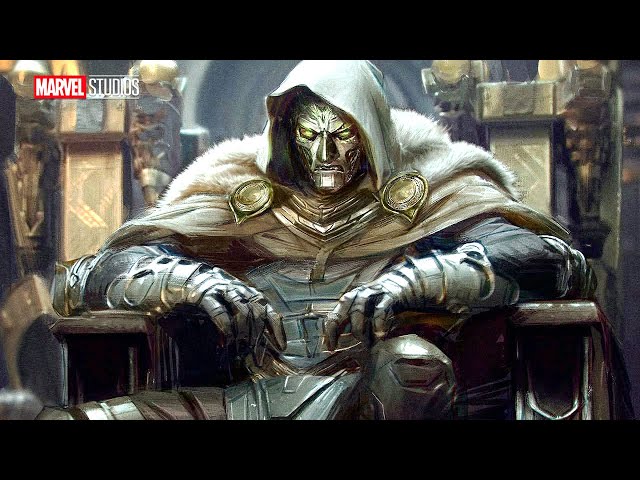
This created the concept of “Marvel fatigue,” where Marvel Studios had been severely criticized for their quantity over quality outlook, causing a messy and difficult-to-follow timeline that fans began to dislike. Combined with this issue, real-world controversy arose surrounding actor Jonathan Majors, forcing Marvel Studios to abandon their initial plan for Kang as the saga’s central villain. As a result, the studio made a bold decision to cast Robert Downey Jr. who is most notable for playing Iron Man, as Doctor Doom. This caused media outrage and members of the fandom to split. Some thought this was a move out of desperation to save their reputation and regain public interest after years of box office bombs, while others loved the idea and thought it was a creative decision that held a lot of potential. Regardless of what it may be, this last-minute reworking and inconsistency symbolize a larger identity crisis within the MCU. Something that causes concerns over whether the studio is course-correcting carefully or reacting rapidly to declining box office rates to gain back the fandom’s approval.
Still, there remains a strong optimistic outlook for the performance of this movie. Marvel Studios has demonstrated the ability to work under pressure, and the “Avengers” name carries a cultural significance worldwide. Whether the film can overcome the instability of the Multiverse Saga and deliver a conclusion worthy of its predecessors remains uncertain. Avengers: Doomsday isn’t just another superhero blockbuster–it stands as a movie that will define whether Marvel Studios can gain back the audience’s confidence.