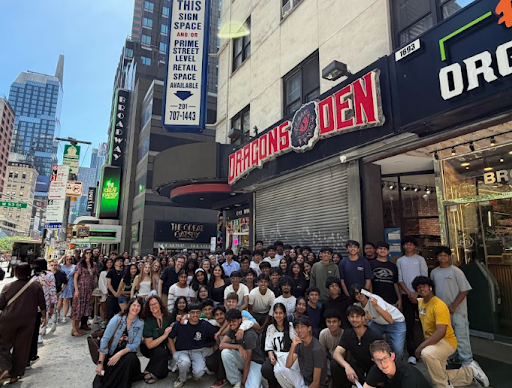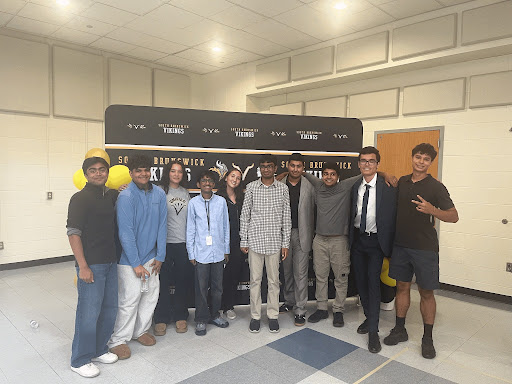





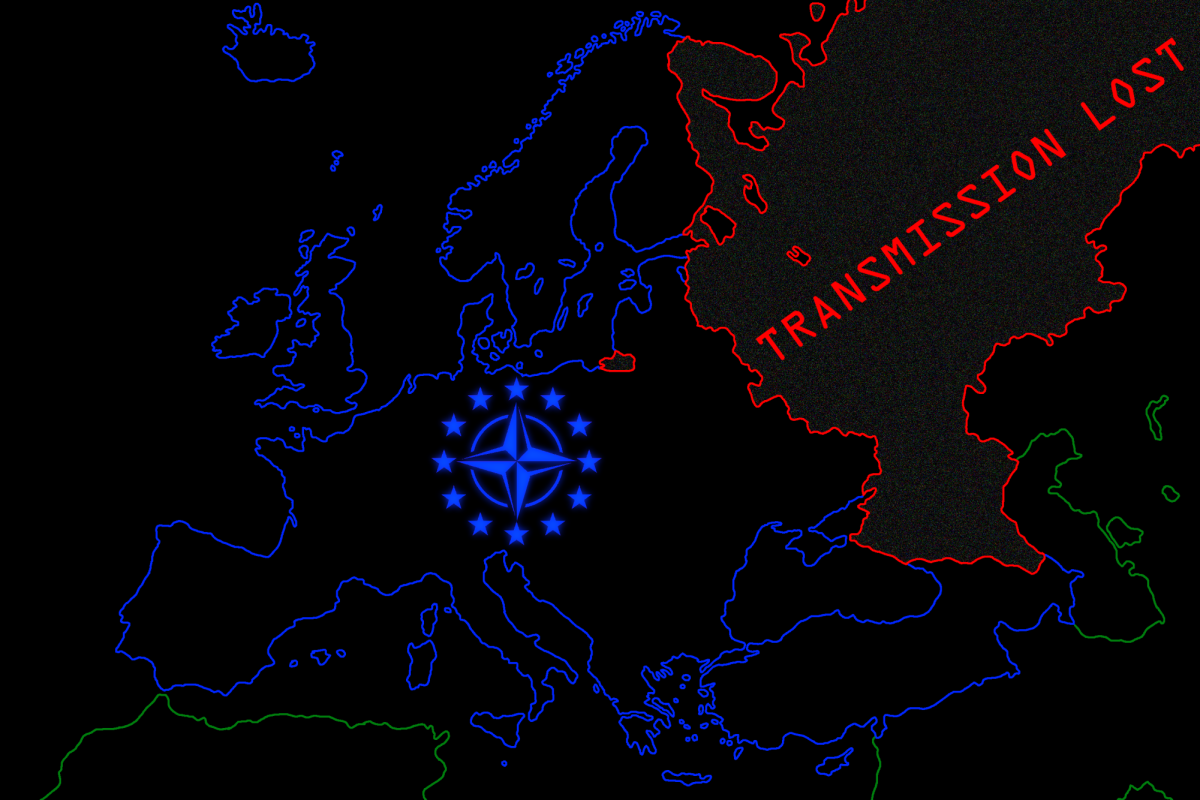








On April 11, 2026, the SBHS Model UN club held its first ever “Advanced” conference. South Brunswick Model United Nations Conference (SBMUNC) Advanced is a Model UN conference that only has “crisis” committees, which differs from the usual SBMUNC, which only has one crisis committee. SBMUNC Advanced was also smaller, with around sixty club members attending, while the usual SBMUNC had close to triple that number. The first SBMUNC Advanced had four committees, the Iran Hostage Crisis, the Nagorno-Karabakh Crisis, the Yemeni Civil War, and the Indo-Chinese Himalayan Border Dispute. I chaired the Himalayan Border Dispute committee.
Crisis committees are a lot more “interactive” than regular general assembly (GA) committees. In them, you do not represent countries, but individual people. This allows you to take a wide variety of specific actions, including assassinating your peers to gain more power for yourself. I myself have only participated in GAs, but because of SBMUNC Advanced, I had to chair a crisis committee. Jumping into the planning stages for the conference with as much or even less knowledge about the format as the people I would be chairing was certainly scary, and I made sure to do my fair share of research to keep things orderly.
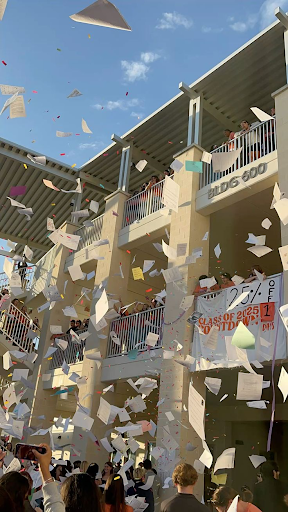
SBMUNC Advanced started at 8:00 AM, and it showed. There were three sessions in the conference, and it was clear that everyone was at least somewhat tired during the first session. This would change quickly though, as delegates quickly began entering intense debate. I was also happy to observe the scheming that was happening, as delegates sent up directives that were precursors to things like large-scale assassination plots. The next sessions were even more chaotic. Post-its and slips of paper were being passed around, notes were being furiously written, and the entire room was chattering away in search of solutions to their issue. A civil war started in India while China’s leader was assassinated, Tibet tried to secede, and foreign nations were being called in for help left right and center. It was madness, but that was the beauty of it all.
By the time the dust had settled, and the conference had ended, China had taken advantage of the civil war in India to seize their claimed territories and effectively “win” in the committee. Regardless, delegates on both sides clearly worked incredibly hard, especially given the gigantic amount of paper left all over everyone’s desks.
It also seemed like delegates approved of this kind of committee far more than regular GAs, prompting questions as to why GAs are seemingly the norm not only for SBMUNC, but for Model UN conferences in general. While it is true that generally speaking, people have “more fun” in crisis committees, it’s important to note that they don’t necessarily use your public speaking and research skills in the same way GAs do. In GAs, you write long resolution papers meant to cohesively solve issues while working under the limited framework of the United Nations, while in Crisis committees you can be a lot more spontaneous. Crisis committees also require a lot more research and preparation at times, especially since your character could end up dead, and you could end up with an entirely new one. Therefore, it makes sense as to why the usual SBMUNC itself only has one crisis committee, specifically for those club members observed to be most talented.
In the end, one thing was clear. SBMUNC Advanced was a resounding success. The conference ran incredibly smoothly, with minimal delays and an overall enjoyable experience. Hopefully, the Model UN club will make this conference a new tradition that will be followed for years to come.