


















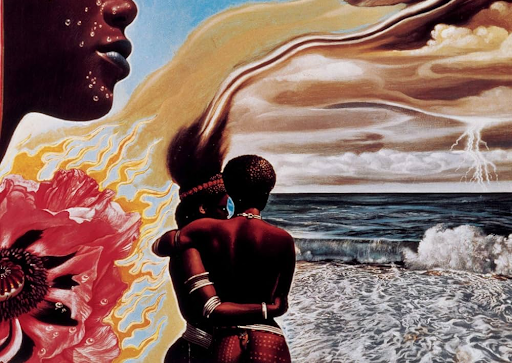
What comes to your mind when you think of the greatest American musician? Michael Jackson? Stevie Wonder? Maybe even Louis Armstrong. Chances are, the name “Miles Davis” didn’t come to your mind. Despite being critically acclaimed for his impact on jazz and American music, the aptly named “superstar of Jazz” is relatively unknown among the younger generations.
Miles Davis is lauded by music lovers for his extensive discography, including jazz classics like Kind Of Blue, Someday My Prince Will Come, and Birth Of The Cool. However, his post-1960s work, while still appreciated, is a bit more divisive among listeners.
Davis spent his formative years under the tutelage of bebop musicians in New York, including Charlie Parker, with whom he developed a close working relationship. As a Sideman, Davis would establish himself as an icon of bebop’s early recording history on Savoy And Dial Sessions. In his autobiography, Davis says this about his time with Charlie Parker: “I was really happy to be playing with Bird again, because playing with him brought out the best in me at the time”.
For the next decade and a half, Davis would lead two revolutionary quintets and release over thirty studio albums, many of them becoming hallmarks of modern Jazz. In the dawn of the 1970s, however, Davis’ style would take a radical turn, marking the beginning of the “Electric Miles” era. To remain relevant and in tune with America’s ever changing music scene, Miles Davis turned to rock and electronic sounds. In his own words: “I wasn’t prepared to be a memory yet, wasn’t prepared to be listed on Columbia’s so-called classical list”. This transition period is often controversial among some jazz listeners.
This experimental era began with In A Silent Way, a musically and commercially successful debut. The following year, Miles Davis would delve even further into rock and fusion inspired ideas with Bitches Brew. Notably, the album features a very free form approach to arrangement and structure, even more so than bebop: “What we did on Bitches Brew you couldn’t write down for an orchestra to play. The session was about improvisation—what makes jazz so fabulous”.
To help realize his creative vision, Davis assembled a plethora of musicians, including Wayne Shorter, Herbie Hancock, Chick Corea, Bennie Maupin, Jack DeJohnette, Joe Zawinul, Dave Holland, John McLaughlin, Larry Young, and many others. Together, this ensemble creates a dense and dynamic sound. My favorite example of the instrumentation on Bitches Brew is the album’s 7th track, Feio.
Another absolutely essential contributor who cannot go unmentioned is Teo Macero. As a producer at Columbia Records, Macero worked closely with prominent jazz musicians, including Miles Davis. After helping to produce In A Silent Way, Macero was asked to produce Bitches Brew where he played a major role in editing the final recordings as well as providing the instrumentation for the album: “I’d let Miles have a free hand in the studio…I always encouraged him to use electronic equipment. Cause if we didn’t have it, I’d order it” said Marcero in an interview shortly before his death. Macero is credited for helping to pioneer post production techniques that would become staples of modern electronic and hip hop music.
All of these factors help Bitches Brew succeed in creating an immersive atmosphere; If you’re in the right headspace, this album can definitely take you places. “Understanding it” is all about enjoying the textures, improvisation, and interaction between the musicians. Fully appreciating the album may take some time, especially if you are new to avant-garde music, but the experience is extremely rewarding.
I recommend everyone start off with “Miles Runs the Voodoo Down” or “Spanish Key” before getting into the rest of the album. These two tracks feature the strongest sense of structure and are the most easily digestible in my opinion.
Beyond the music, Bitches Brew boasts, perhaps, the coolest and most psychedelic album cover I’ve ever seen—definitely worth full price vinyl.
Bitches Brew was a massive success for Miles Davis, becoming his fastest selling album and one of the highest selling jazz albums of all time. In 1999 it was inducted into the Grammy Hall of Fame, recognized for its undeniable impact on contemporary music.